Rhabdomyolysis
- Muscle necrosis
and release of intracellular constituents
Aetiology
Traumatic
or compression
- Multiple trauma
- Crush injuries
- Vascular or
orthopedic surgery
- Coma
- Immobilization
Nontraumatic
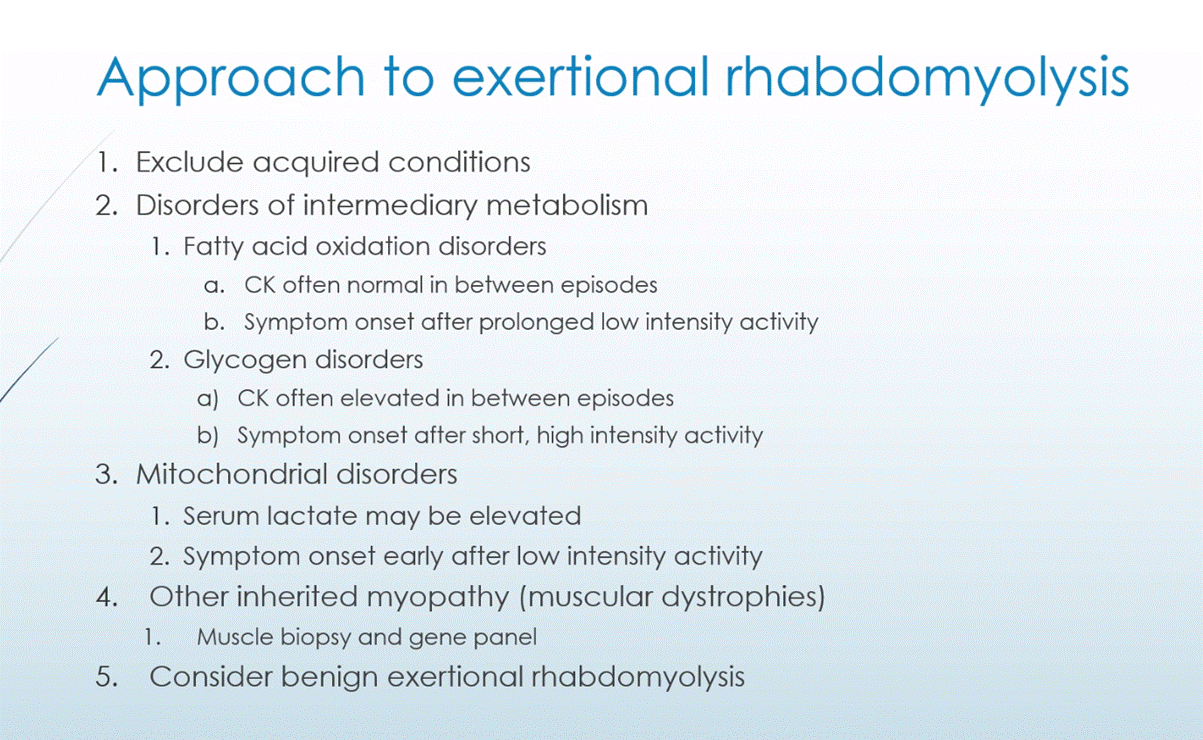
- Exertional
- Normal muscle
- Extreme exertion
- Environmental
heat illness
- Sickle cell
trait
- Seizures
- Hyperkinetic
states
- Abnormal muscle
- Metabolic
myopathies
- Mitochondrial
myopathies
- Malignant
hyperthermia
- Neuroleptic
malignant syndrome
- Nonexertional
- Drugs and toxins
§ Alcohol
§ Anaesthetics
§ Illicit drugs
§ Snake venom
§ Petrol vapour
§ Statins
§ Fibrates
§ Neuroleptics
- Infections
(including HIV)
- Electrolyte
abnormalities
- Endocrinopathies
(mild elevation with hypothyroidism)
- Inflammatory
myopathies
- Miscellaneous
Clinical
- Myalgias (variable
depending on cause)
- Red/brown urine
(Myoglobinuria)
- Weakness rare
unless late/severe disease
- Acute renal
failure
- Due to haem casts
- Iron toxicity
- Most likely to
occur when CK >5000-10000
Investigations
- CK raised
- Risk of ARF if
>5000-10000
- Severe if >30,000
- AST/ALT also
released from skeletal muscle breakdown
- Urine –
pigmented casts, myoglobin
- Hyperkalaemia
- Hyperuricaemia
(from release of purines from cells)
- Hypocalcaemia
- Hyperphosphataemia
Treatment
- Fluid
administration
- Aim for urine output
of 200-300ml/hr
- Forced Alkaline
diuresis
- Some evidence
that switching to a alkaline solution provides benefit
- Aim for urine pH
>6.5
- Forced diuresis
- Some evidence
that diuretics or mannitol provide benefit
- Monitor and
correct electrolyte abnormalities
- Identify and treat
cause (See Myopathies)